
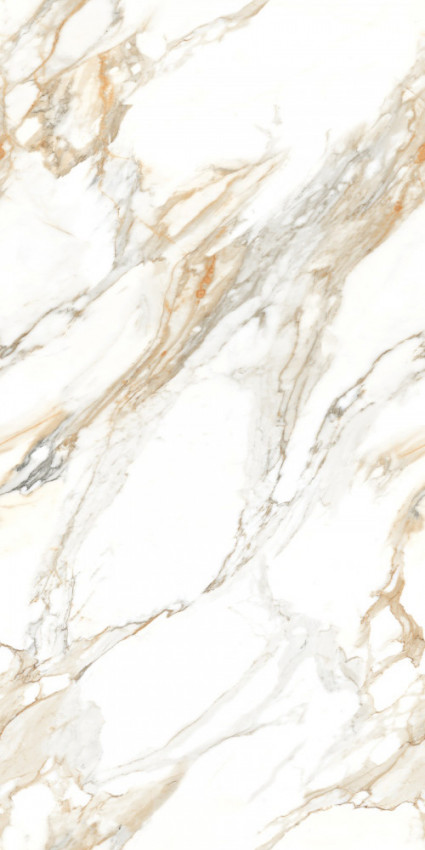
There are many reasons as to why people use tiles in Irish domestic settings, including their functionality, adaptability and their use throughout the majority of the home. Tiles have become an ideal choice for kitchens, bathrooms and ground levels of many houses. However, due to Ireland's climate being humid, and damp, maintaining tiles is a challenge. These conditions affect not only the tiles themselves; but also, the grout lines, sealants and adhesives.
Proper maintenance can help preserve the appearance and performance of tiles. This guide throw lights into how Irish homeowners can take care of their tiled spaces better in the damp conditions.
Understand How Dampness Affects Tiles
Although tiles are typically waterproof (especially porcelain), other areas such as grout joints and edges as well as their sub-layer are less able to resist moisture. Since Ireland has a high level of humidity, water will be trapped in these places longer than it would elsewhere, particularly in bathrooms, kitchens, utility rooms, or areas that do not have good airflow.
If moisture is not managed, it can lead to mould growth, grout discolouration, and in some cases, loosening of tiles.
Grout is often the first area to show signs of damp-related problems. Over time, grout can absorb moisture and dirt, leading to staining or mould growth. Regular cleaning with a mild, non-abrasive cleaner helps prevent buildup without damaging the grout.
In Irish homes, it’s especially important to dry tiled areas after heavy use. Wiping down bathroom floors and shower walls reduces lingering moisture and helps grout stay intact for longer. Avoid harsh chemical cleaners, as these can weaken grout and make it more prone to absorbing moisture.
Ensure Proper Ventilation
Ventilation plays a major role in tile maintenance. Bathrooms and kitchens should have adequate ventilation to allow moisture to escape. Extractor fans should be used during and after showers or cooking, and windows should be opened when the weather allows.
In homes where ventilation is limited, moisture tends to settle on tiled surfaces and grout lines. Over time, this increases the risk of mould.
Avoid acidic or abrasive cleaners, especially on stone or textured tiles. These products can wear down the surface and allow moisture to penetrate more easily. A pH-neutral cleaner is usually the safest option for regular cleaning in Irish homes.
Some tiles and grout types require sealing to protect against moisture and stains. Over time, sealants wear down, particularly in high-use areas. One common maintenance mistake is assuming sealing is a one-time task. In damp climates, resealing when needed is essential.
Mould thrives in damp environments, and once it becomes established, it can be difficult to remove completely. Spotting early signs of mould, such as dark grout lines or musty smells, allows for quicker action.
Cleaning affected areas promptly and improving ventilation can often prevent further spread. Ignoring mould not only affects the appearance of tiles but can also impact indoor air quality.
While tiles can handle moisture, excessive water during cleaning can be counterproductive in damp climates. Flooding floors or leaving water to sit for long periods allows moisture to seep into grout lines and joints.
Using a damp mop rather than a soaking one and drying surfaces afterwards helps maintain tiles more effectively. This is especially important for ground floors and older homes where moisture retention is more common.
Edges, corners, and joints around baths, showers, and worktops are areas where moisture often finds its way in. Sealants in these areas can crack or shrink over time.
Regularly checking and replacing worn sealant helps prevent water from entering behind tiles. This simple habit can prevent hidden damage that may only become visible when repairs are costly.
Maintaining tiles in Ireland’s damp climate comes down to consistent care, proper ventilation, and timely attention to moisture-related issues. With the right approach, tiles continue to be one of the most durable and practical surface choices for Irish homes. For homeowners exploring quality tiles in Ireland, Tilex offers expert guidance and a wide range of suitable options through its showrooms in Dublin, Cork, and Drogheda, helping ensure tiled spaces remain functional, healthy, and visually appealing for years to come.

Matching Tiles Between Kitchens, Bathrooms, and Living Spaces in Ireland
August 20th, 2026


