
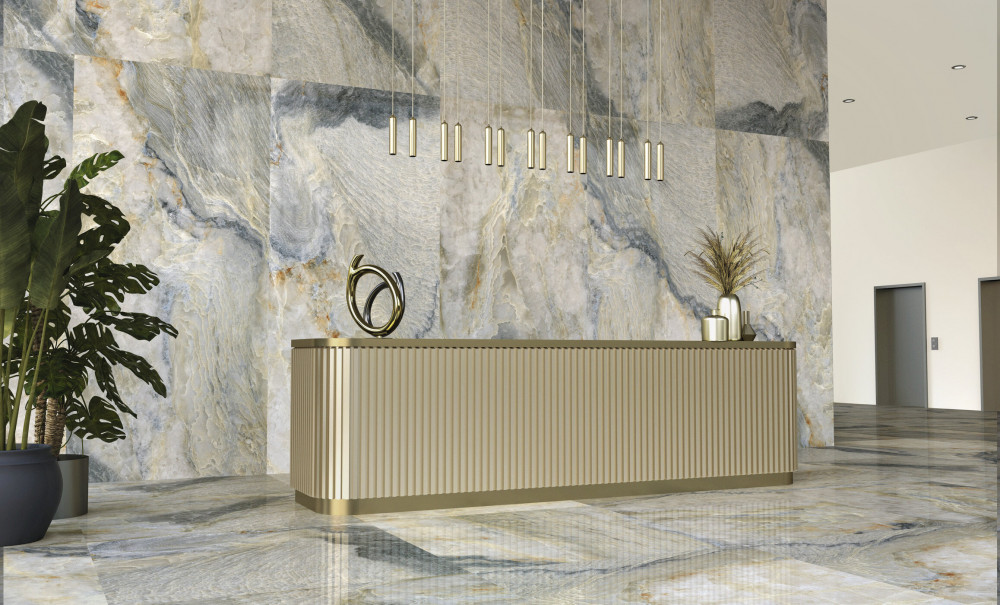
Selecting bathroom tiles and bathroom floor tiles without considering usage, safety, and maintenance requirements often leads to increased upkeep, reduced lifespan, and avoidable replacement costs. This guide outlines the key factors that should be evaluated before finalising tile choices.
The starting point for tile selection is understanding how the bathroom will be used. Usage levels vary significantly between a private en-suite, a shared office restroom, and a high-traffic commercial bathroom. Key factors to assess include:
Bathroom walls and floors perform different functions and must be treated separately during selection. Bathroom wall tiles are primarily decorative and protective. They are chosen for finish, colour, and ease of cleaning, and do not need to meet the same load-bearing or slip-resistance standards as floor tiles. Bathroom floor tiles must withstand regular foot traffic, moisture exposure, cleaning chemicals, and long-term surface wear. Floor tiles require higher structural strength, surface stability, and slip resistance to remain safe and functional. Using tiles according to their intended application improves safety outcomes and reduces long-term maintenance issues.
Safety is a critical consideration in any bathroom, particularly in environments where floors remain wet for extended periods. In Ireland’s climate, indoor drying times are often longer due to humidity and cooler temperatures. Key safety considerations include:
Maintenance should be assessed at the planning stage, not after installation. Some tile finishes and surface textures require significantly more effort to maintain, particularly in high-use bathrooms. Maintenance-related factors include:
Ireland’s climate contributes to higher indoor humidity levels throughout the year. Tiles that perform adequately in dry or warm climates may not provide the same reliability locally. Material selection should account for:
Tile size affects both the visual outcome and installation performance. Poor sizing decisions often result in excessive cutting, increased grout lines, and higher installation complexity. Practical considerations include:
Grout performance plays a major role in bathroom longevity, particularly in humid environments. In many Irish bathrooms, grout deterioration occurs before tile failure. Key grout considerations include:
Bathrooms in offices and commercial buildings are cleaned more frequently than domestic bathrooms. Floors are also exposed to additional moisture tracked indoors due to weather conditions. This increases the importance of:
Tile selection should be coordinated with drainage, thresholds, doors, fixtures, and floor gradients. Poor coordination can result in water pooling, uneven surfaces, and functional issues that require corrective work later. Early planning should include:
Choosing the right bathroom tiles and bathroom floor tiles requires a structured approach that accounts for usage, safety, maintenance, and climate-related conditions. This applies equally to homes, offices, commercial buildings, and shared facilities. By prioritising practical requirements over short-term design trends, property owners, developers, and facilities managers can reduce maintenance costs, improve safety, and extend the usable lifespan of bathroom spaces. As a 100% Irish-owned company supported by Vanquish Distributors, TILEX supplies factory-sourced tiles, flooring, and complete bathroom solutions designed for local conditions. This wholesale model provides consistent access to durable materials at competitive prices for both residential and commercial projects. TILEX supports informed decision-making through practical guidance, system-based solutions, and professional installation options that simplify renovation and new-build projects.

Matching Tiles Between Kitchens, Bathrooms, and Living Spaces in Ireland
August 20th, 2026


